COMPONENT SHORTAGE CREATES CONSEQUENCES FOR CAR RENTAL INDUSTRY
Full-time automotive production was expected to start over in 2021, and rental companies were planning on rebuilding inventories as the economy would recover. However, in a field as complex and economically impactful as the automotive industry, an analysis must be performed by regression, not by classification. In simple terms, a regression analysis considers all the variables and their different levels of correlation. This makes it possible to distinguish the singular characteristics of market events and to implement dedicated strategies. In contrast, a classification analysis categorizes a market event, and the resolutions consists in the application of a ready-made solution.
In the automotive industry, the classification of a crisis usually describes a pattern with a sharp decline, a period of stabilization, and a rapid recovery. The COVID-19 crisis is not due to a major economic difficulty but rather voluntary slowdowns of activity, therefore unemployment is temporary and the drop in consumption is under the control of proper health regulations.
Manufacturers Favor Sales to Individuals of Car Rental Companies
The law of supply and demand is in full swing and prices are reflecting needs. Queues are growing at airport rental companies, and a day’s rental at popular locations can cost up to $700. Short-term rental companies have reorganized their fleets to favor high-traffic locations. They have also been knocking on automakers’ doors to replenish their vehicle inventories. But in a time of shortages, manufacturers are favoring sales to individuals since they mean better margins.
The consequences are multiple. First, dealers’ parking lots are being emptied faster than they can be restocked. This is a bad season to change cars because dealers are not very willing to give discounts, as I experienced when I was interested in a particular model that had been on the lot for over a year. No negotiation was possible. Dealerships fill their fleets with new vehicles and offer leased models to extend the duration of their contracts. In many cases, the confinements have greatly reduced mileage and the vehicles are easily 20-30% below their financed mileage quotas, so the customer does not necessarily lose out.
Fleet Sales Decline
Second, fleet sales are not a priority and have dropped 35-37% for GM, Ford and Stellantis. Professionals are going to have to stretch the life of their vans. Some models are no longer available for sale at the moment. This is the case for the Ram ProMaster, whose volumes have all been sold or allocated. For their part, rental companies are used to offering new vehicles, on the one hand for quality of service and on the other hand to ensure lower maintenance costs. They will have to offer vehicles with 50,000 miles or more because the models will remain in service longer before being sold.
Used Car Market Grows
Third, the used car market is still growing. Specialized networks such as CarMax or online sales specialists like Carvana or Vroom are taking advantage of a market where demand is shifting to recent vehicles with low mileage. These resellers have large stocks and offer trade-in values close to the resale values between private individuals. Dealers are in an uncomfortable situation with manufacturers unable to increase production and adversely, competitive and efficient used car dealers.
Once the pandemic wave has passed, the population can resume its consumption habits. In 2020, many employees who were able to do so were put on telecommuting and received their salaries, unlike in 2008, where layoffs were massive and long-lasting. The jobs suffering from the stalled economy were mainly on low wages, which means populations are more likely to invest in used cars than new ones. Therefore, the COVID crisis hurting automotive demand was likely to be very momentary. Very few seem to have anticipated that situation.
Ducker’s Automotive & Transportation team is at the forefront key trends impacting the industry. Ducker’s unique expertise in running custom market research and consulting services helps clients address specific growth questions and business challenges. Visit here for the latest insights and implications for global business, or contact us to connect with a team member.
ELECTRONIC COMPONENT SHORTAGE LIMITS AUTOMOTIVE PRODUCTION
The COVID-19 pandemic is not over, but at a time when the economic recovery is strong in North America, shortages are limiting automotive production. Ducker Senior Engagement Manager, Bertrand Rakoto explores how the shortage of electronic components is creating a rather unusual situation as dealer lots are being emptied. TV ads no longer mention promotions, and rental companies are driving up their prices.
The shortfall is mainly in electronic components, but it also affects other component families, such as seat foams, which were affected by the March cold snap in the United States that brought the country to a standstill and deliveries still pending. Resins are also among the missing components, but it seems that the shortage is also a means of pressure to negotiate prices, the climate opens the way to such opportunities. Automakers are juggling between their various plants and trying to favor the vehicles with the highest demand and margins
Supply chain disruptions are multiplying, and forecasts are becoming more and more pessimistic. Mike Jackson, CEO of AutoNation, the largest dealership group in the U.S., says the shortage could continue into next year. Lately Infineon CEO, Reinhard Ploss, has declared the shortage could have effects until 2023, an outcome shared by Intel CEO, Patrick Gelsinger, who just invested 20 billion dollars in two locations to increase production. The additional production won’t be available until late next year. This makes the scenario of a postponed full recovery to 2023 very realistic. Momentum seems to be building in North America, but ecosystems and complete supply chains need time to ramp up and if supplies increase, it would be too short to seriously alleviate the current production situation. The Biden administration has announced an initial investment of $50 billion and the US congress currently works on a bipartisan bill that would push the investment to 52 billion dollars. For the time being, the situation is not improving. Production line stoppages are multiplying and the side effects on the automobile market are numerous.
COVID-19 Crisis – A Formidable Catalyst in Strategic Intelligence
One by one, the value chains reveal their lack of anticipation to the growing demand in microchips and the dependency towards single sources or regionally concentrated productions. Initially, the staggered start of the COVID-19 epidemic showed the fragility of just-in-time production and the geographic concentrations of certain products. The persistence of supply disruptions highlights the problems linked to successive consolidations, and the automotive industry’s dependence on channels that it does not control. Above all, the margins held compared to those practiced in the IT world, and the legendary efficiency of purchasing give the automotive industry little strength to apply pressure and negotiate more volumes.
The increasing number of delays and the constant postponement of a potential return to a normal situation tend to prove that there are serious capacity problems. Some of these problems are cyclical, since the health situation does not allow the plants to operate at full capacity, either because the employees are ill or because the populations are subject to partial confinement.
Structural Capacity Problems For Electronic Components
Other capacity problems are structural, as the case for electronic components. The surge in demand for electronic components has accelerated in various sectors. This is the case for electronic mobile devices or other personal IT items. The confinements have caused or accelerated some changes in consumption patterns. As lockdowns ended in some areas, the rapid increase in demand has thrown off the balance for several economic activities or industries. Vehicle rental companies saw demand dropping to an all-time low in 2020. However, demand has risen again in early 2021. The situation was sudden, and no-one was prepared. Hertz is in bankruptcy protection and most leasing companies shed their fleets last year. The market lows required to secure financial results, while the strong demand for new and late-model vehicles was peaking late last year in the U.S. this was the perfect opportunity. These financial decisions to scale down inventories came at the perfect moment as it helped salvage ailing accounts.
The survival movement of car rental companies emptying their parking lots has allowed them to avoid loans and debt, if not meet the same fate as Hertz. But as air traffic picks up in North America, rental companies are failing to meet the demand of business and vacation travelers.
Ducker’s Automotive & Transportation team is at the forefront key trends impacting the industry. Ducker’s unique expertise in running custom market research and consulting services helps clients address specific growth questions and business challenges. Visit here for the latest insights and implications for global business, or contact us to connect with a team member.
FGIA RELEASES 2020/2021 U.S. INDUSTRY STATISTICAL REVIEW AND FORECAST
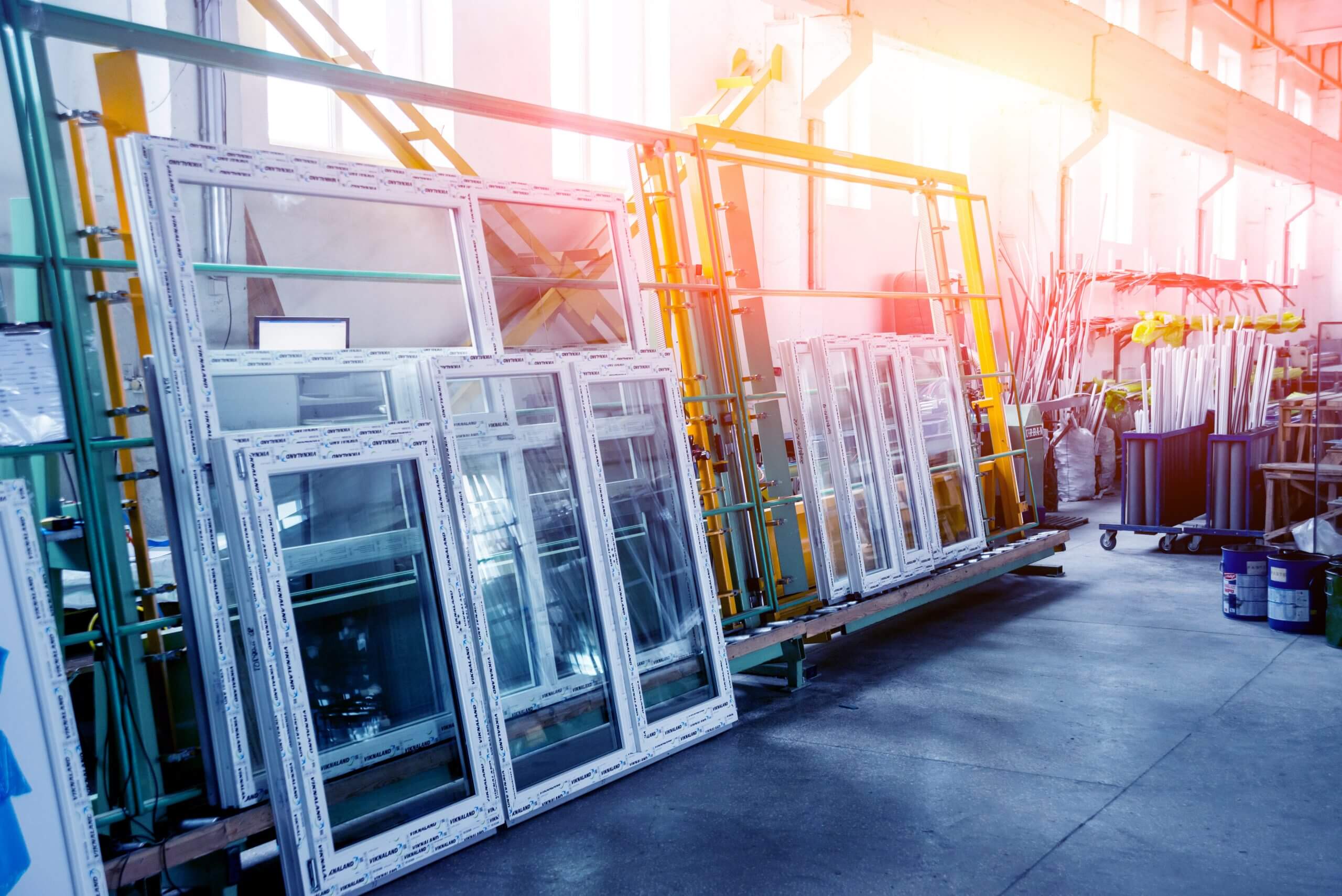
Prepared by Ducker Research & Consulting, The Fenestration and Glazing Industry Alliance (FGIA) has released the FGIA 2020/2021 U.S. Industry Statistical Review and Forecast. This report delivers timely information on window, door and skylight market trends and product relationships. Historic data for 2012 through 2020 and forecast data for 2021 through 2023 are also included in the report. Forecasts are based on projections of construction activity as of March 2021.
Housing Starts
Total housing starts rebounded strongly after an initial COVID-19 slowdown and ended with strong gains for the year. Growth of 11.5 percent in single family starts was offset by declines of 3.5 percent in multi-family starts and 0.5 percent in manufactured housing, for an overall increase of 6.5 percent. Going forward, the overall new housing market is expected to continue to experience strong growth in 2021 driven by single family construction with an overall increase of 11 percent currently forecasted.
Residential Windows
Residential prime window volumes grew by 1.5 percent in 2020 versus 2019. The increase was seen primarily in new construction with window demand increasing by 3.2 percent while remodeling and replacement demand was almost flat with a 0.2 percent increase. The outlook for residential window demand is a significant increase in 2021 due to the continued strength of the new housing market in particular, with expectations for a 6.8 percent increase in 2021, to be followed by a 1.8 percent increase in 2022.
Residential Doors
In the residential market, 2020 new construction demand for entry doors grew by 3.2 percent. Meanwhile, entry door remodeling and replacement demand, which continues to represent a significantly larger share of total demand, grew at 1.0 percent. The total market grew by 1.8 percent versus 2019 and is expected to grow significantly in 2021 due to strong single family construction activity. 2022 and 2023 are expected to provide additional growth.
Commercial Windows
The non-residential glazing market decreased by 11 percent in 2020, with decreases across all applications. New construction shrank by 11 percent, while renovation demand decreased by 12 percent. A decline is forecast for 2021, with a rebound in 2022 and 2023.
Commercial Doors
In 2020, non-residential construction demand for entry doors shrank by 10.5 percent. Looking forward, a continued decline in 2021 is likely followed by a recovery in 2022 by 2.6 percent. After 2022, an additional slight recovery of 0.3 percent is expected.
Residential Skylights
Residential skylights closed the year at 1,120 thousand units, or just over 1.1 million, a growth rate of 4 percent over 2019 volume. New construction skylight activity was up 3 percent, while remodeling and replacement skylight activity was up 4 percent versus 2019.
Additional Reports
Additional and more detailed information on the residential and commercial fenestration markets is contained in the FGIA 2019/2020 Study of the U.S. Market for Windows, Doors and Skylights (published in May 2020), which includes all items listed below, now including this new, latest statistical review and forecast.
FGIA U.S. Industry Channel Distribution Report profiles the residential and non-residential market for windows and doors as it flows through the identified distribution channels.
FGIA U.S. Industry Market Size Report quantifies residential and non-residential market volumes, both historic and projected.
FGIA U.S. Industry Regional Statistical Review and Forecasts detail information on trends and product relationships.
The updated FGIA 2020/2021 U.S. Industry Statistical Review and Forecast, as well as the other reports listed above, are available for purchase from the FGIA Online Store.
Ducker’s Building & Construction team is at the forefront of key trends and research impacting the industry post Covid-19 disruptions. Connect with a team member for the latest insights and implications for global business.
Across the OEM motor vehicle aftersales space, transportation is a significant spend – approximately 7-8%(1) of sales. Further, the transportation sector has now surpassed the power sector as the largest emitter of greenhouse gases (GHGs) in the United States, responsible for over 29%(2) of total emissions within the U.S., and 24%(3) globally. This trend largely is driven by the growth of e-commerce, international and domestic shipping, and other activities related to globalization.
Many of the OEMs participating in Carlisle’s North American Parts Benchmark have released corporate statements committing themselves to reducing their climate impact, yet many organizations are early in the development of plans to address the greenhouse gas emissions associated with their transportation footprint. Fortunately, meaningful pathways to reduce transportation emissions are taking hold.
Where to Begin?
We’ve laid out our perspectives on how to pluck lower hanging fruit and to either start or accelerate the journey towards decarbonizing transportation-related emissions.
#1 Calculating an Organization’s Greenhouse Gas Emissions Profile
Calculating an organization’s greenhouse gas emissions profile or “carbon footprint” circumscribes an organization’s emissions and creates a heat map for understanding where and in what size emissions are occurring. It is like tracking a person’s caloric intake over time for the purpose of designing a diet that gets results while minimizing disruption to their lifestyle. Ice cream every night or just on weekends?
#2 Decarbonizing the Warehouse
Decarbonizing the warehouse can be a fertile ground for quick wins. Tried and true onsite energy minimization efforts — such as LED lighting, onsite solar installation, high efficiency space heating and cooling, or being paid to reduce energy use during periods of peak grid congestion — can offer attractive financial return profiles while providing greenhouse gas reduction benefits. When paired with backup battery storage systems, these efforts can also increase the energy resiliency of warehouse operations.
More recently, an increasing number of companies are deploying Material Handling Equipment (MHE) powered by lower carbon fuels, such as electric or hydrogen powered forklifts, and other non-road cargo equipment. Leveraging various sources of public funding for these vehicles, such as the Low Carbon Fuels Standards incentive regimes in California, Oregon, and a growing list of other states, can deliver attractive additional revenue streams. These funds can further enhance total cost of ownership economics and help support more rapid electric vehicle deployment that lowers the GHG emissions of owned or leased mobile sources.
#3 Transitioning to Low Carbon Shipping Fuels
The global transportation sector has begun integrating low carbon shipping fuels at an accelerated rate, in large part focused on last mile delivery and supported by decision tools that identify economically attractive alternatives to internal combustion engine (ICE) transport. Natural vehicle replacement cycles — both within and outside the warehouse — present good opportunities for organizations to begin to pilot electric, hydrogen, CNG, and other lower carbon fueled vehicles, again, especially for California and Oregon operations.
#4 Targeting the Remaining Unavoidable Greenhouse Gas Emissions
Many companies mitigate the impact of the remaining unavoidable greenhouse gas emissions through the purchase of high-caliber verified carbon emissions reductions, otherwise known as carbon credits or carbon offsets, as a stepping-stone to complement, rather than replace, existing decarbonization strategies throughout their own operations.
#5 Reducing the Need to Move Materials and People
Having said this, the best way to reduce greenhouse gas emissions in transportation is by reducing the need to move materials and people. A comprehensive review of your supply chain – including buildings, material flow, transportation modes, inventory deployment strategies, referral patterns, etc. will allow you to understand not only the cost/service trade-offs, but the environmental tradeoffs as well. For example, increasing forward-deployed safety stock may increase inventory costs, but may also reduce parcel/air referrals. Ideally, this should be a positive financial trade-off. But if not, is your organization willing to pay for reduced carbon emissions?
Takeaways
Combined with policy advocacy, vendor negotiation, and peer collaboration, the above strategies can represent a comprehensive approach to reduce the largest source of emissions globally.
Carlisle and its decarbonization partner, 3Degrees, have helped clients ranging from Rivian to Proterra understand and address the impact of their transportation-related emissions with a range of solutions customized to meet their unique business needs and sustainability goals.
Carlisle & Company is the leader in aftersales strategy and insights, partnering with a range of highly engineered clients to solve their most complex business problems, drive growth, and create value.
Dan Kalafatas
Chairman of 3Degrees and former Carlisle & Company Manager
3Degrees, a certified B corporation, helps Fortune 500 companies, utilities, and other organizations around the world achieve renewable energy and decarbonization goals.
Smart Home Technology and Consumer Sentiment Report 2021
The adoption of smart home devices & technologies into residential homes continues to increase year-over-year. At Ducker, we understand the significance of technology evolution for our clients in the building products and materials industry. Ducker embarked on an initiative to examine current and expected adoption of these devices and technologies. Ducker also measured consumer sentiment over time. Ducker’s insights and observations are based on quantitative research, expert analysis and years of serving the residential construction sector.
The automotive aftermarket encompasses parts for replacement, collision, appearance, and performance. Aftermarket parts are also replacement parts that are not made by the original equipment manufacturer. They are typically used to replace damaged parts in automobiles and other equipment, and can also be used for enhancing and tune-ups. Similar to generic pharmaceuticals in that they’re less expensive than brand-name drugs, but they’re likely to be just as successful. The aftermarket provides a wide variety of parts of varying qualities and prices for nearly all vehicle makes and models. Leading brands and companies who participate in this market include:
NAPA
Bosch
DENSO
Magna
Wagner
Bower
Selection of Aftermarket Parts
Aftermarket parts are normally cheaper than OEM parts; however, the amount you save varies by brand. The aftermarket companies reverse-engineer the part and work the vulnerabilities out. There are a wide variety of companies that specialize in specific parts, leading to a great selection, a wider range of prices, and better availability.
Automotive aftermarket
Wear parts
Performance parts
Collision parts
Recycled parts
Vintage parts
Aftermarket Research & Analysis
Annual research and analysis is conducted by Ducker in the automotive aftermarket industry and therefore sees the following trends as important to watch for manufacturers of parts, distribution, and installation groups as well as investors and private equity firms looking to complete transactions in the aftermarket industry. Ducker’s trends in automotive aftermarket parts include:
The vast majority of aftermarket suppliers have weathered the Covid-19 storm and are outpacing 2019 sales
Wear parts providers did see a ‘divot’ in sales based on vehicle miles travelled – however, the decrease in plane travel is beginning to offset those losses
Upgrades – whether for performance, aesthetics or ‘outdoor/adventure’ themed parts -are continuing to grow
Analysis of aftermarket demand and trends include the following end use applications:
Performance
Enthusiasts
Classic vehicles
Off-road vehicles
Auto repairs
Independent installers
Auto maintenance
Auto DIY
Auto DIFM
Ducker Research and Consulting provides clients with in-depth global research, thoughtful analysis, and cutting edge market intelligence. Further, our teams have supported many buy-side and sell-side transactions. Ducker’s services and capabilities within the automotive aftermarket parts industry include:
M&A buy-side commercial diligence
M&A sell side market studies
Component sourcing forecast and planning
Technology testing, feasibility and launch assistance
Regional opportunity assessment
Production forecasting
Competitive analysis
Identifying acquisition and merger candidates
Price and cost analysis
Supply chain analysis
Market assessment
The Automotive & Transportation team at Ducker is at the forefront key trends impacting the industry. Ducker’s unique expertise in running custom market research and consulting services helps clients address specific growth questions and business challenges. Visit here for the latest insights and implications for global business, or contact us to connect with a team member.
SAE WCX: LIGHTWEIGHTING TRENDS IN ELECTRIC VEHICLES
The SAE WCX Lightweighting Trends in Electric Vehicles Panel covered a broad range of topics and insights as the North American market transitions towards electrification. Ducker Managing Director, Abey Abraham’s presentation covered market centric information and insights including overall near term and longer-term materials mix, the increasing intensity of various materials and product forms and considerations for future growth. Abey further provided information on the trade-offs of materials for the battery enclosure based on vehicle platform evolutions (modified vs. dedicated vs. skateboard) and outlook for battery chemistries.
BUILDING & CONSTRUCTION WEBINAR – UNPACKING THE NEW REALITY OF POST-COVID CONSTRUCTION DEMAND
Building & Construction Webinar – Unpacking the NEW Reality of Post-Covid Construction Demand – Thursday, April 29th 2021
Presented by Ducker’s Building and Construction industry practice leaders – Nick Limb and Chris Fisher, who have a combined 50 years of operating, consulting, and M&A experience in the industry. This session defined and explored the new realities of the new construction economy. More than a forecast, Nick and Chris walk through the more relevant drivers and critical shifts in each segment of market and provide scenarios on peak, trough, and stimulus spending implications.
Analyzing the winning categories and segments for infrastructure stimulus spending with conditioned scenarios given historic benchmarks of past “shovel ready” funding
Conversations with Carlisle: Reflecting on COVID-19 and its Impact on Women in the Workforce
Introduction
The COVID-19 pandemic has taken its toll across the globe – taking the lives of millions and disrupting normalcy across every facet of life. Along with nearly everything else, the pandemic has gravely impacted the labor force and job market. Even for those who have been fortunate enough to remain employed during this difficult year, things are certainly not “business as usual.” In particular, many sources have cited and discussed the disproportionate impact COVID-19 has had on women in the workforce, so much so that some have cautioned that the pandemic could set women’s professional workforce progress back decades. Carlisle & Co embarked upon a diversity benchmarking effort to understand and quantify the work experiences of our individual clients, and through these surveys, we identified several concerning statistics that highlight these issues, including:
31% of women participants considered leaving the workforce due to COVID-19, while only 16% of men respondents considered it
68% of women respondents with children say they have taken on more childcare responsibility due to the pandemic, while only 34% of men respondents with children say they have
Both working mothers and working women without children are affected by the challenges brought about by the pandemic. The line between working and non-working hours is blurred and the ability to strike a comfortable work-life balance is diminished. In this first edition of “Conversations with Carlisle,” we will be focusing on this topic from the perspective of our very own women in leadership. Women Directors from across our practice areas discuss their personal experiences working during the pandemic, highlighting the challenges they have and continue to face, as well as some bright spots in this otherwise difficult time and their perspectives on the future.
Q: What has changed for you while working during the pandemic?
Having to change your routine and share your usual “dedicated” workspaces with family, partners, and friends
Eliza Johnson | Director
I already worked remotely before this, so in theory not much for me personally, but with everything changing AROUND me, it makes things very different – gone is my dedicated workspace due to my husband being home working too, kids home, and all of my coworkers are now remote also, meaning the usual coordination of meetings and discussions is a whole new ballgame.
Meredith Collins | Director
The biggest change was that I normally traveled 1-2 times a month, and also my partner used to go into the office every day. So I mostly have to get used to being home ALL the time and sharing the small space with another person also working (dealing with multiple calls at the same time, trying to get complete silence during the conference!, etc.).
Amy Marzonie | Director
When I’m not traveling, I work out of my home office – usually no more than one week per month. My last scheduled on-site client visit was late February 2020, and I did not set foot on a plane or sleep in a hotel until a brief domestic trip in December 2020. I never imagined I would see the four walls of my home office every day for nearly a year! In March 2020, my twin daughters attended kindergarten for the last time in person for the school year. My husband, who also began working from home, and I had to facilitate school Zoom meetings for their two classrooms, as well as provide academic instruction through the end of May.
Jessica Shea | Director
What hasn’t changed? My commute is now 20 steps to my home office, I plan only virtual events instead of in-person, and I often lose track of what day it is. After almost 15 years of being in the office every day, I was so used to just walking into someone’s office to get a quick answer or to chat about a new idea. Being remote, those types of interactions are not as easy or organic.
Q: What are the key challenges of working during the pandemic for you?
Knowing when to shut down and focus on other things outside of work – balancing work and personal lives is especially difficult
Jessica Shea | Director
Work / Life Balance has become tougher for me. Now that I don’t commute, I tend to start working earlier and with my office in the next room, I stay online later. When you are always in the same spot it becomes more difficult to break away. As a planner, I like routine. With this new reality it took a while to create a new routine that would work for me.
Amy Marzonie | Director
It is important that school instruction is never an afterthought, so every Sunday my husband and I sit down with our work calendars and each block time to support our girls in completing their virtual academic requirements, while ensuring we don’t miss important work meetings. Of course, this also means adding earlier mornings and later nights to our own work schedules to ensure that our professional priorities are met. As such, work hours have quickly become “all” hours … the work has to get done and flexibility has become key to “doing it all,” but it can be challenging to define when to shut the laptop down and turn the phone off for the day.
Eliza Johnson | Director
It is beyond challenging to have a preschooler home all day – there simply isn’t any way to work with a 3 year old around. And then bringing an infant into the world and juggling a newborn baby and a toddler all while returning to work after leave and trying to really get up to speed in the work world – that was near impossible. All of these challenges are mine, but everyone has their own set.
Q: What are some silver linings to working from home during the pandemic?
Connecting to people on deeper levels and building stronger relationships
Meredith Collins | Director
I’ve really appreciated the shift in companies being more relaxed and flexible with people’s schedules. It feels like the corporate mindset has sort of shifted in being more lax with when precisely people are online, letting people take breaks throughout the day, etc. I’ve always been a big believer in this, so I am glad that the world is generally moving in that direction.
Amy Marzonie | Director
Professionally, years of strong relationships with clients paid off. In a climate where budgets were reduced / cut, clients were willing to work with us to find creative ways to meet their needs. The investment in those relationships, founded on a culture of professional excellence, quality of work, and client delight, was the key to success, and even facilitated stronger relationships coming out of the pandemic.
Eliza Johnson | Director
Coworkers and clients alike are all more understanding of one another and life’s interruptions. I have spent more time with my family and kids than I ever thought I could / would as a working mom. Going forward, there will hopefully be a whole new appreciation for working parents.
Q: What have you learned about yourself while working during the pandemic?
Realizing how capable and resilient we all are – looking back, you can see how far we have come
Amy Marzonie | Director
With proper planning and intentional balance, “doing it all” is possible. Certainly the days get long and some are more exhausting than others, but calendaring both work and personal commitments helps me to attack everything one day at a time. The right emotional state is critical too. This means balancing the demands of remote work and virtual learning with mental escapes like getting outdoors with the family, baking cupcakes with the girls, and intentionally scheduling time for myself to exercise. While it takes a robust support system (both professional and personal), it is a mindset. For those willing to put in the work and find a way, it is resoundingly possible.
Jessica Shea | Director
When we started work from home last March, I thought it would be a few weeks tops and never thought a year later I’d still be home. Looking back now, I’m amazed at what our team still accomplished. The format may have changed to digital conferences and events, but we still hosted everything we had originally scheduled. Looking at what other companies and industries canceled over that time really makes me proud of how we were able to transition.
Q: Many articles have been written about the disproportionate impact COVID-19 has had on women, what are your thoughts on this? What can be done?
Recognizing that this is not just a women’s issue but rather an issue that requires strong, active allyship
Amy Marzonie | Director
The fact that many women are leaving the workforce as a result of the pandemic is especially disappointing, as is the statistic that we’ve lost nearly a decade of progress as women in the workforce. As normalcy continues to resume, it will be very important for organizations to continue offering the avenues of flexibility (i.e., remote work, flexible hours, etc.) that we have seen over the last year, to regain gender equality advancements at a much faster pace than they’ve been lost, and ideally make it possible for women who have left the workforce to return.
Eliza Johnson | Director
It’s devastating what an impact this has had on women – it makes me really sad to think of all of the women who had to quit or leave their jobs (or were laid off) due to having no options for childcare. There’s just no way around the fact that this has and will set women back years. The best things that can be done now are for men in the workplace to consider how they can provide women with alternate work structures / schedules and support for childcare costs and solutions. More importantly, the men in women’s lives need to step up and consider these issues their burdens too – women shouldn’t be left figuring out how to deal with everything and how to pick up the pieces.
Meredith Collins | Director
I think it’s absolutely depressing and is just another example of how much work is still to be done in changing society’s expectations of gender roles. I am not sure what there is to do about it other than have the conversation and point out how unfair this is and push for people to change their perceptions of traditional gender roles. I think it’s easy for people to think of men and women as being equal (or at least more equal) today. They can ignore the obvious ways in which we aren’t equal until something like this happens that clearly demonstrates an imbalance. I think we need individuals, society as a whole, and corporations to adopt mindsets / behaviors / policies that support both men and women in and out of the workplace so that there isn’t an unfair pressure placed on women to “do it all”.
Continuing the Conversation
Join us for our Women of NAPB Panel where we will discuss these topics in more detail from the perspective of our clients
During our upcoming NAPB Digital Conference in late April, we will be hosting a virtual panel discussion where our female clients will discuss their experiences working in an extremely male-dominated industry. Conversation this year will be supported by benchmark data at the company level and at the individual level. Topics of discussion will go beyond the scope of COVID-19, covering areas such as company programs and initiatives, career progression and support, and solving the problem of work-life-balance.
CLEAN MOBILITY THROUGH HYDROGEN – ENABLING SUSTAINABLE MOBILITY
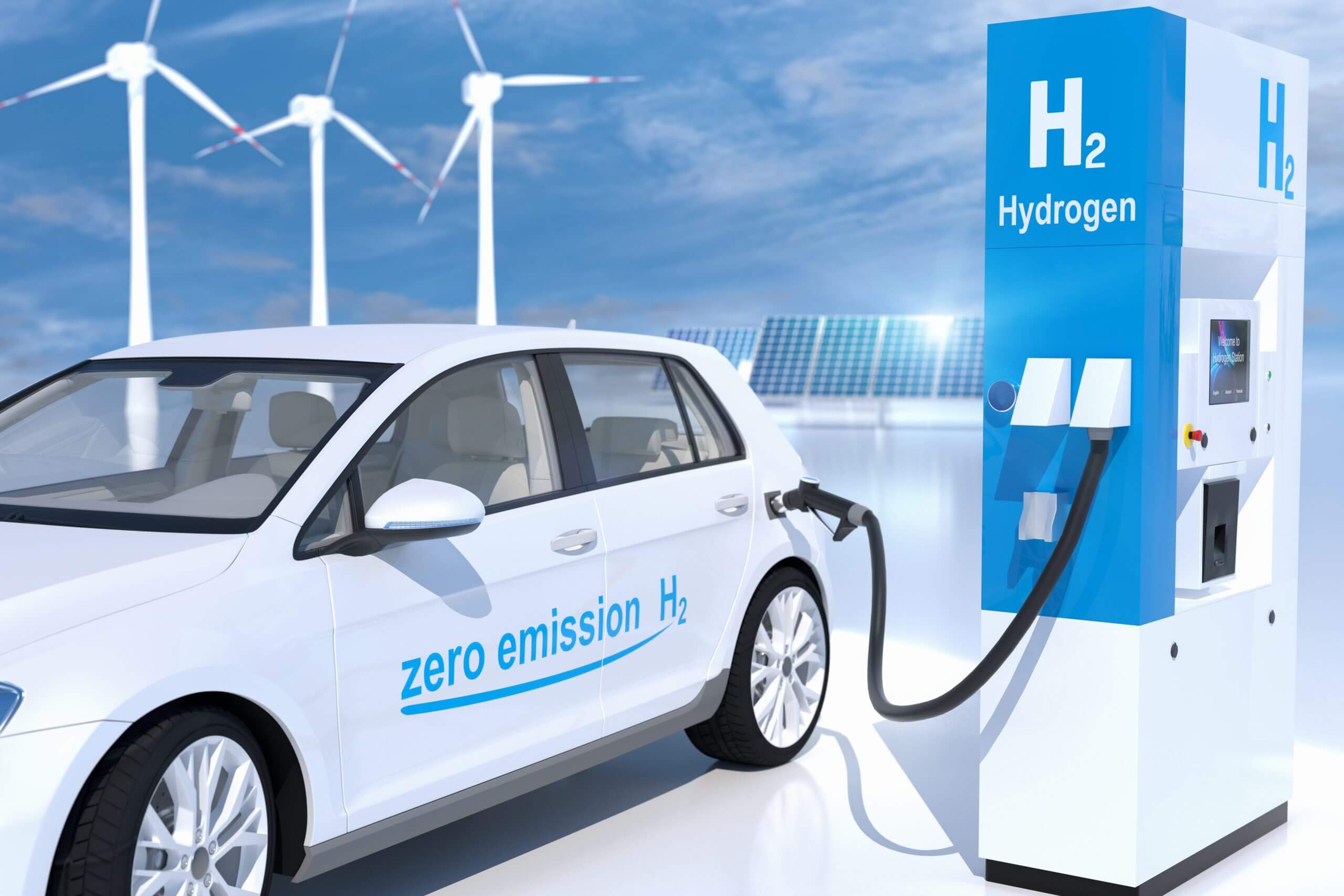
There is an urgent need to make mobility more environmentally friendly and sustainable. While a reduction in mobility would be the most obvious consideration to drive sustainability, modern economies and lifestyles that focus on professional and individual needs for traveling, convenience, and instantaneousness prohibit its implementation. Clean mobility through hydrogen will enable sustainable mobility in the future, leading to a future increase in research and investments.
In the passenger vehicle area, the first step has been taken through extensive powertrain advancements and optimization of combustion engines. Now, electrification technologies are being unveiled, in the form of full hybridization and purely battery-driven powertrains. Recent announcements from car OEMs and governments have set targets to enable a fully electric era for new light vehicles starting in 2030 or 2035 – Jaguar aiming to be the first, as soon as 2025.
Fuel Cell Technologies For Use in Hydrogen-Powered Vehicles – Next Step Within the Electrification and Sustainability Roadmap
Main drivers for FCEVs (Fuel Cell Electric Vehicles):
A vehicle that emits water instead of CO2 and NOx is sustainable and promising, exactly what the fuel cell powertrain technology achieves.
Short Charging Times: Comparable to ICE vehicles (about 3 minutes), significantly shorter than BEV’s (approximately 10 minutes for 80% state-of-charge with DC level 3)
Better Environmental Sustainability: The genuine purpose of using hydrogen to power vehicles is to rely on low-carbon hydrogen produced from renewable energy sources (such as water, biogas, or agricultural waste), therefore with a lesser impact on the environment as it would limit the generation of greenhouse gases.See Chart 1: Operating principles of fuel cell electric vehicle – Source: Toyota
In addition, the CCUS technology (Carbon Capture, Utilization and Storage) is likely to improve the carbon footprint and the overall environmental impact of hydrogen production. An important macro-economic and political aspect is the reduced dependence on oil imports (while hydrogen production can be domestic) and lower vulnerability to oil price volatility. The goal is to achieve local, decentralized hydrogen production, avoiding transportation needs. Should hydrogen need to be transported, it is easy to transport in long-distance. It can be transported as compressed gas by truck or by pipeline, or in liquid state by truck.
Hydrogen to Power Our Vehicles – Leading to Increased Research and Investments
With only 40,500 fuel cell light vehicles in 2021, the fuel cell powertrain technology currently accounts for no more than 0.048% of global light vehicle production. FCEVs are forecasted to remain a niche by 2030-2035 in the light vehicle segment – forecast 2027: 57,800 units i.e. 0.059% of total LV production. In terms of FCEV production share, Toyota and Hyundai are by far the leading OEMs in the LV segment with the respective models Mirai and Nexo. GM and Honda are also acknowledged technology leaders with more than 2,220 fuel cell patents filed between 2002 and 2015, according to the Clean Energy Patent Growth Index.
Large volume fuel cell series applications will be implemented in the truck and bus segments at first – potentially by 2030 – where a BEV (Battery Electric Vehicle) solution would make little sense due to large, heavy batteries with extensive charging times, and reduced payload. Transit busses used in closed loops seem to be particularly well suited for an earlier start of fuel cell applications where there is no need for a broad refueling infrastructure.
Main barriers to fuel cell adoption for electric vehicles are:
Higher vehicle production cost compared to BEV’s: Due to expensive materials and manufacturing costs of the fuel cell stack that require expensive, precious metals such as platinum. Fuel cell system costs are expected to significantly decrease thanks to further R&D and growing production volumes. See Chart 2: Fuel cell system cost expectation for 2025 – Source: IEA
High Infrastructure Development Costs: The refueling infrastructure needs to be created for each step of the value chain – from hydrogen transport, through storage and filling stations – and will be critical to allow a volume-market penetration.
Low-Efficiency in the Well-To-Pump Phase: In order to be ‘green’, hydrogen has to be produced primarily from renewable sources, not from fossil fuel. The transformation of renewable energy into hydrogen implies significant process inefficiencies, mainly due to losses from electrolyzing water. As a matter of fact, FCEVs using hydrogen from renewable energy sources are about 50% less efficient in the well-to-pump phase than BEVs, but the fuel cell technology helps solve the charging time issue, and makes it easier – with a decentral hydrogen production – to address the need for local refueling infrastructure.
Hydrogen can be produced from water electrolysis, or from fossil fuels either through coal gasification or through natural gas reforming, coupled with CO2 capture (CCUS) Today, hydrogen is mainly being reformed from natural gas (methane). The electrolysis of water (via alkaline electrolyzers) for hydrogen production has only been used to a limited extent so far. However, 2019 was a record year with regards to operational electrolysis capacity, and several announcements were made for further significant capacity increase in upcoming years. See Chart 4: Low-carbon hydrogen production – Source: IEA
Subsidies and Incentives are Required to Drive Fuel Cell Vehicle Growth
The number of countries with policies directly supporting investment in hydrogen technologies is increasing, along with the number of sectors they target. There are already around 50 targets, mandates, and policy incentives in place today at the global level that directly support hydrogen development, the majority of which focus on the transportation segment, and 15 of which specifically target passenger car applications.
Current subsidization and incentive programs include:
Japan: Hydrogen-powered FCEVs are mainly passenger vehicles from Toyota and Honda. With governmental subsidization, the price for a Toyota Mirai (FCEV) comes down from the equivalent of about $60,000 to about $40,000
Germany: A 10-year tax exemption is granted to owners of FCEVs, as well as a purchase subsidy of €8,000
US: Several states provide up to a $5,000 incentive for the purchase or lease of a hydrogen FCEV (e.g. California $4,500, Connecticut $5,000, New York $2,000); and additional federal tax credits (maximum credit amounts $8,000) are available for the purchase of FCEVs; FCEVs are eligible for a California HOV (High Occupancy Vehicle) sticker, therefore gaining access to carpool lanes
Fuel Cell Vehicles Will Bring New Opportunities to the Automotive Industry
With the rise of FCEVs, new opportunities will emerge for suppliers. The fuel cell stack, the fuel cell boost converter, and the hydrogen tank are new, FCEV-specific components that will require engineering capabilities and production capacities from the supply chain. What component designs will establish themselves as volume-market solutions, and what the impact on material demand and forming processes will be, needs to be investigated. The fundamentals that drive the need for light weighting in ICE vehicles and BEVs – namely maximize energy efficiency and riding behavior – will also apply to FCEVs, and fuel cell vehicles represent a long-term opportunity for aluminum and advanced steel solutions. See Chart 5: Fuel cell vehicle architecture – Source: Toyota
Ducker’s Automotive & Transportation team is at the forefront key trends impacting the industry. Ducker’s unique expertise in running custom market research and consulting services helps clients address specific growth questions and business challenges. Visit here for the latest insights and implications for global business, or contact us to connect with a team member.