Ducker Carlisle Launches New Brand Experience

Ducker Carlisle Launches New Brand Experience

We are pleased to announce the launch of our new brand identity and digital platform which fully completes the integration of our strong businesses.   This new brand provides an experience for clients to better access Ducker Carlisle’s unrivalled continuum of services consisting of proprietary data, custom research, strategy and operational consulting, and M&A advisory to accelerate growth for multinational corporations, sector leading companies and private equity firms.

“We are advancing our brand and digital experience which aligns to the best-in-class research, consulting and M&A services experiences we deliver.  The design treatments and experiences we deliver with this new brand are forward looking, innovative and integrate the many facets of our business. “  said Chris Fisher, Managing Principal.   Clients, investment groups and members of industry will be able to experience and learn more about our business through a newly launched website and digital platform experience at duckercarlisle.com

“”This is an exciting time for the company, our team members throughout the world and our clients who have been so enthusiastic about our businesses coming together.” expressed Dino Mauricio, Chief Executive Officer of Ducker Carlisle.

The combined brand provides an experience for clients to better access Ducker Carlisle’s unrivalled continuum of services consisting of proprietary data, custom research, strategy and operational consulting, and M&A advisory to accelerate growth for multinational corporations, sector leading companies and private equity firms.

The combined brand provides an experience for clients to better access Ducker Carlisle’s unrivalled continuum of services consisting of proprietary data, custom research, strategy and operational consulting, and M&A advisory to accelerate growth for multinational corporations, sector leading companies and private equity firms.

Pricing Power & Margin Strategies For The Automotive Industry

Pricing Power & Margin Strategies For The Automotive Industry

Supply chain disruption, chip shortage, and inflations are pushing vehicle prices to historical high.

If you’ve shopped for a new car in the past couple of years, you have probably noticed empty showrooms, rising MSRPs, long waiting list, an unusual absence of rebates, and occasional dealer markups. Supply chain disruption, chip shortage, and inflations are pushing vehicle prices to historical high.

According to Edmunds.com, the new vehicle average selling price in 2022 is estimated to reach 47k USD, 10.9% higher than 2021 which was already 8.8% higher over the 2019 average price. Apparently, besides the factor that the demand and supply are imbalanced, OEMs have been all in to secure the pricing power to enhance their margins while revenues were going down due to the declining volumes. Read more by downloading the white paper below.

Download Pricing Power & Margin Strategies White Paper Here

Ducker Carlisle’s automotive & transportation team is at the forefront of key trends impacting the industry. Ducker’s unique expertise in running custom market research and consulting services helps clients address specific growth questions and business challenges.

Ducker attends 6th global aluminium foil roller conference

DUCKER ATTENDS 6TH GLOBAL ALUMINIUM FOIL ROLLER CONFERENCE

Out of the 16 highly informative presentations from the very diverse and comprehensive conference program from the 6th Global Aluminium Foil Roller Conference, Hélène Wagnies, Managing Principal has shared a few elements to share from the presentation made by the company ElevenEs.

ElevenEs is a new European battery manufacturer, with proprietary LFP-based lithium-ion battery chemistry and cell-to-pack solution. They battery gigafactory located in Serbia will start production in 2023, to reach 8 GWh capacity by 2025 (with a need for 4,120 tons aluminum foil per year) and 48 GWh by 2030 (20,600 tons of aluminum foil consumption p.a.)

Aluminum foil in a thickness between 10 and 25 µm is needed in EV li-ion battery cells as collector in the cathode. Global demand for it is expected to rise from 47,000 tons in 2020 to over 1.1 million tons by 2030. Overall, trend goes toward thinner foil for higher energy density, and wider foils for higher productivity in manufacturing.

The cell chemistry and the cell form factor both have a direct impact on the amount of aluminum foil needed: for 1 GWh of battery, the LFP chemistry requires nearly twice as much aluminum foil as NMC; and prismatic cells need per GWh approx. 6 times the amount of aluminum foil needed for pouches.

Key requirements for aluminum battery cell foil are primarily the high electrochemical stability and electrical conductivity. Carbon coating allows to enhance the performance of conventional aluminum foil.

Another application for aluminum foil in EV batteries are the pouches (casings for the cells): the pouch film of 65-160 µm thickness requires aluminum foil with 25-40 µm thickness (thicker than for the application as collector in the cathode).


Ducker’s automotive & transportation team is at the forefront of key trends impacting the industry. Ducker’s unique expertise in running custom market research and consulting services helps clients address specific growth questions and business challenges.

Contact the Ducker team for the latest insights and implications for global business.

Q2 2022 construction industry outlook

Q2 2022 CONSTRUCTION INDUSTRY OUTLOOK

The Federal Reserve has again raised interest rates by threequarters of a percentage point, the latest in a series of hikes attempting to cool rapid inflation. Recessionary fears were further stoked by the latest GDP figures showing a 0.2 percent decline in the second quarter, after a 0.4 percent decline in the first.

While the labor market remains strong and company profits are very high, consumer spending is lagging faced with rapidly rising prices and tightening credit conditions. The short-term impact on the construction market has been seen in the recent slowdown in new housing activity and other indicators of
activity. Ducker now expects 2022 full year volume activity to end flat compared to 2021, giving back the gains made in the first half of the year. We forecast that while non-residential building activity will pick back up later this year and through 2023, declining residential new construction activity through 2023 particularly will drive a modest fall in overall residential expenditures (current dollar basis) before recovery from a relatively mild recession begin in 2024.

DOWNLOAD Q2 2022 Construction Industry Outlook HERE

Facility Tour Guidelines

Facility Tour Guidelines

Below is a list of suggested guidelines for a successful facility tour. This list is based on experience from previous years. Please review these suggestions and let Carlisle know if you have any questions. Please remember that they are only suggestions.

  • Plan for about a 1 – 1.5 hour tour (based on facility size).
  • Have enough tour guides for the number of people attending – about one guide for every ten people.
  • Ensure tour guides are well versed in warehouse operations so they can answer difficult questions from participants.
  • Start tour with everyone together in a meeting room for a 15 to 30 minute general session overview.
  • Have refreshments, including beverages and snacks, available in general session room.
  • Potential overview presentation topics may include warehouse specifications such as:
    • Sales
    • Daily Line Volume
    • Headcount
    • Number and Type of Customers, as well as Geographic Reach
    • How Facility Fits into the Overall Network Structure
    • Inbound and Outbound Transportation (DDS)
    • Order Types
    • Order Cut-off Times/Order Response Times
    • Union vs. Non-union
    • Type of Warehouse Management System/Computer System
    • Inbound (Receiving and Put-Away) Work Processes
    • Outbound (Picking and Shipping) Work Processes
    • Recent Facility Improvements
  • Provide tour participants with an overview of warehouse layout, tour stops and highlights of each stop prior to departing on the tour.
  • Begin actual tour on time.

Some ideas that past tour locations have used that have worked very well were:

  • Assign each individual group a different starting point for the tour to avoid congestion.
  • Alternatively, stagger start times to allow smooth flow of individual groups – you don’t want one group to have to wait behind another to see a particular operation.
  • Have tour guides responsible for a certain area – have groups rotate so they go to each of the designated stations and talk to the area “expert.”
  • Predetermine the amount of time to be spent at each “station.” Keep in mind that time at each of the stations needs to be the same [10-15 minutes] so that all tour participants advance to the next station simultaneously. This can be done with the intercom system – session begins, session ends, move to next area, etc.
  • The “experts” or speakers in each area should have some visual displays or tools for their area. They can use graphs, charts, pictures, or bulleted lists to tell the story.
  • They should allow 50% of their presentation time for the presentation itself and 50% of that time for questions and answers.
  • Try to schedule the tour when primary facility activity will be occurring – i.e., don’t schedule tour during breaks or shift changes.
  • Reconvene in general session format for Question and Answer session.

Additionally, please let us know if there are any restrictions regarding the tour, such as:

  • No cell phones or cameras
  • Closed toe shoes are required
  • No food or drinks

Different facilities have varying degrees of restrictions and we want to be sure that we adequately inform the tour participants ahead of time.

If you have any questions, please contact:

Jessica Shea

+ 1 508.494.0785

jshea@carlisle-co.com

Nate Chenenko

+1 614.506.4561

nchenenko@carlisle-co.com

Esg trends in roofing and siding 2022

ESG TRENDS IN ROOFING AND SIDING 2022

While more building and construction companies are beginning to adapt to Environment, Social and Governance (ESG) principles, there are many barriers within the industry that are preventing sustainable practices and product choice for the roofing and siding industry.

Promoting Sustainable Products

  • 26% of exterior remodeling contractors are promoting and discussing more sustainable options for their projects and products – this is a more recent increase in the last 8-12 months.

Cost Outweighing Sustainability

  • Only 16% of homeowners are showing a desire for green materials and practices. Research shows they will engage more when options and comparisons are brought to them. Cost and availability are a top concern.

Energy Efficiency Benefits Preferred

  • 61% of homeowners and contractors equate the benefits of a sustainable product to its level of energy efficiency. The re-use and recycling of tear-off materials comes in second as most valuable.

Recycling Hurdles

  • 85% of contractors said they’d be willing to source from a manufacturer with a recycling program. The biggest problems contractors find with recycling is the lack of recycling centers available, the distance they would need to travel, the cost, and the sorting and removal of pollutants such as nails and hazardous applications.

Lack of Availability Creating a Gap in the Market

  • Less than 50% of respondents believe manufacturers have the right programs in place for the future. One of the biggest gaps in the market is the availability, codes and incentives for recycling building materials. The construction trade groups and waste industry need to align and work together.

Ducker’s Building and Construction teams are at the forefront of key trends impacting the industry. Our goal is to help clients deliver growth solutions to support critical decisions and growth strategies. How can we help you deliver better outcomes for your business? Contact us to connect with a team member.

Supply chain shortages for automotive industry 2022

SUPPLY CHAIN SHORTAGES FOR AUTOMOTIVE INDUSTRY 2022

Automotive Supply Chain Recovering from 2021, Uncertainties Remain in Shortages

The world is walking out of the shadow of the COVID-19 lockdown. However, the pandemic has long-lasting side effects on the automotive industry. In the past 18 months, the supply chain has seen several disruptions that worsened as new geopolitical events occurred. Rising material prices are hitting supplies, while logistics costs remain high, and the availability of major components such as semiconductors remains far below requirements. Moreover, the acceleration of electrification adds a layer of difficulty. Electric vehicles require many more semiconductors and rare earth materials, while there is still a supply shortage. Lately, China’s supply chain was hit with lockdowns, slowing down raw material processing and component deliveries that are critical to the automotive industry from a global perspective.

Chip Shortage Will Not Be Solved in 2022

According to LMC Automotive, the supply shortage of semiconductors remains the leading cause of disruptions in vehicle production, accounting for over 60% of the total “lost” volume. The situation remains because of chip plant closures and surging demand from the consumer sector. The investment in additional semiconductor production and declining demand for consumer devices may ease the shortage in the automotive industry.

Still, the supplies are unlikely to fully meet automotive demand until mid-2023, when all new chip plants reach total capacity. During this time, automotive production will feel the impact of supply shortages and demand will continue to outstrip supply.

Meanwhile, OEMs cancel lower segment models to maximize production output to save the chips for higher-margin models.

In addition, we also see some features being canceled due to the lack of microchips (e.g., touch screen, power adjustment for seat/steering wheel, key fob, wireless charging etc.). Once capacity becomes sufficient to meet demand, production will need to grow to accommodate the catch-up effect to compensate for lost volume between 2020 and 2023. As economic conditions remain, we expect higher vehicle production in 2024 and 2025 to cope with demand and replace lost volumes. Consumers will look forward to returning models whose life cycle has been stretched by a few years and which have contributed to the increased age of the fleet.

Crisis in Ukraine is Contributing to Semiconductor Shortage

The Ukraine and Russia play a significant role in several raw material supplies, including palladium utilized in catalytic converters and nickel, critical for batteries. In addition, Ukraine is a major supplier of wire harnesses, shipped mainly to European OEMs, including Volkswagen and BMW, with applications also supplied to North American vehicle productions. The invasion of Ukraine and the subsequent embargo on Russian materials and production negatively impact the automotive industry. Material prices were already on the rise in 2021. Still, the Russo-Ukrainian conflict is adding up and pushing costs for OEMs to new highs, including critical materials such as lithium and aluminum. Oil is joining the fray, but electric vehicles are no less impacted than ICE vehicles, as EV batteries require a more comprehensive range of materials and depend on ample supplies from Russia and China.

Although some may see an opportunity to source from China since Russian companies can still export to China, this trickery comes with serious ethical, economic, and diplomatic considerations. The risks are too high, and the offenders would find themselves, on the one hand, supporting the Russian war effort and, on the other hand, at the mercy of significant fines or even boycotts.

COVID-19 Restrictions Persist

While most countries are lifting pandemic restrictions, China is sticking to the zero- COVID-19 policy. This has led to a two-month lockdown in Shanghai when the China’s economic center and motor town was hit by the worst COVID outbreak in the past two years.

Twenty-five million people live in Shanghai, the home to four significant OEMs – SAIC, GM, VW, and Tesla. These automakers have shut down their operations for several weeks since the end of March. In late April, the Shanghai government issued a whitelist of factories, including automotive OEMs and suppliers, that can resume production using closed-loop systems. This means workers will need to stay in the factory even when they are off from shift.

Tesla, for instance, was able to resume production for 20 days but only at 20% of standard capacity (due to supply shortages), then had to halt production again because of lockdown in some other cities where their suppliers are located.

The highly contagious Omicron variant is spreading in other regions in China as well, including Changchun (the capital city of the Jilin Province), where another major automotive cluster and the FAW-VW are located (another VW joint-venture producing Audi and Volkswagen models). Furthermore, suppliers in Shanghai’s neighboring provinces are also affected by restrictions since positive COVID-19 cases keep rising. Besides factory reopening, logistics create additional issues for the automotive industry. Drivers need a permit to enter COVID-19 hot zones, and if they have entered hot zones, they may face a few days of quarantine when they return to their home city, being seen as potential vectors for the disease. These restrictions make fewer drivers willing to deliver goods to or from COVID hot zones like Shanghai.

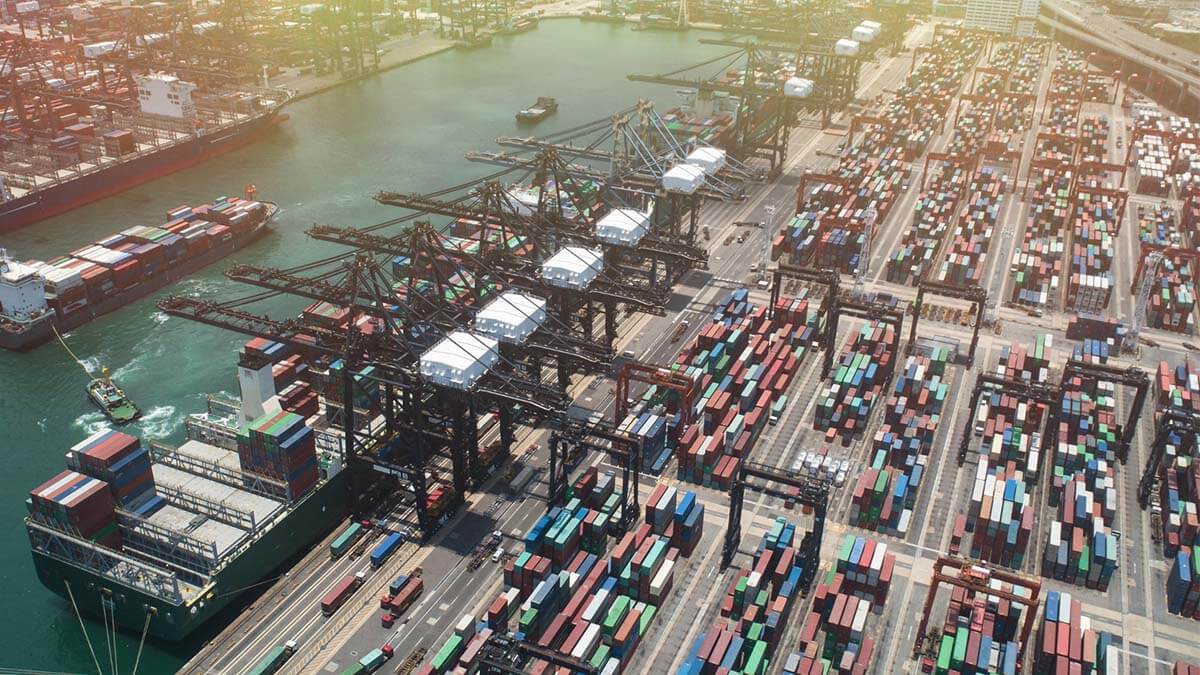
COVID-19 disruptions in China have ripple effects that touch every corner of the global economy. A significant side effect lies with the substantial backlog of container ships at Chinese ports, affecting the global supply chain. Over 500 ships await docking at Chinese ports, making up around a third of the global backlog.

Given that the Chinese government has no intention to give up the zero-COVID-19 policy in the short term, a new large-scale lockdown may occur to eliminate the Omicron variant. This could lead to reshoring strategies to ease the multiple layers of issues affecting the supply chain and the sourcing of materials and components from a global perspective. However, such movement takes investments and time to operate. Until then, automotive production will have to face hectic production cadencing.

DOWNLOAD WHITEPAPER HERE


Ducker and Carlisle’s automotive & transportation team is at the forefront of key trends impacting the industry. Ducker’s unique expertise in running custom market research and consulting services helps clients address specific growth questions and business challenges.

Contact the Ducker and Carlisle team for the latest insights and implications for global business.

Article Prepared By:

Environmental and sustainability activity and reporting index

ENVIRONMENTAL AND SUSTAINABILITY ACTIVITY AND REPORTING INDEX

Research indicates increasing disclosure of environmental, social, and governance (ESG) performance for energy, water, emission and waste disposal. Renewable energy is poised to become a major focus in med-term. Index analysis of company investment and tracking of conservation or improvement efforts favor energy and GHG emissions

DOWNLOAD ESG  ENVIRONMENTAL AND SUSTAINABILITY REPORTING INDEX


Ducker is at the forefront of key trends impacting the industry. Ducker’s unique expertise in running custom market research and consulting services helps clients address specific growth questions and business challenges. Contact the Ducker team today. 

Heavy Equipment Industry Trends May 2022

Heavy Equipment Industry Trends May 2022

Current Heavy Equipment Industry Market

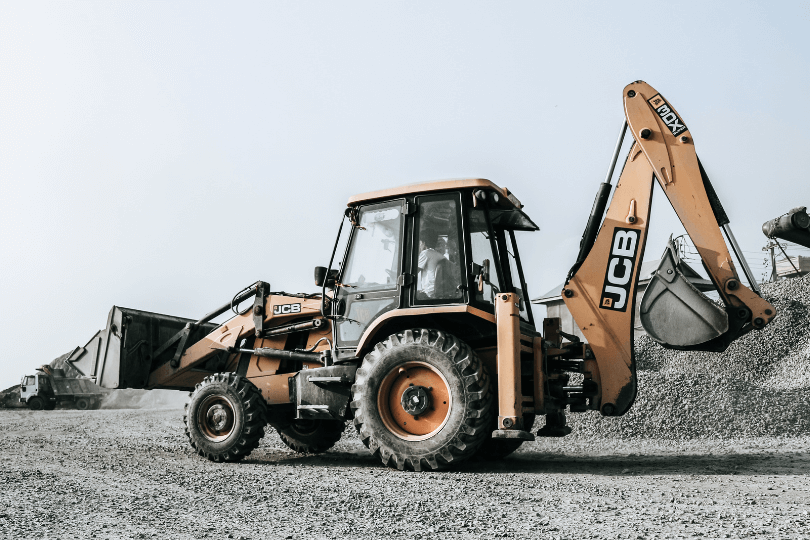
The heavy equipment market is currently experiencing similar supply problems as those occurring in the Automotive industry. Many equipment brands and models are on backorder for months leaving contractors challenged to meet job commitments. Ducker & Carlisle have been in the field talking with equipment owners, dealers, parts manufacturers, and OEMs about the methods being used to combat this issue and remain competitive.

Problems Obtaining Needed Equipment in 2022

Nearly all brands are experiencing lead times of 6 to 12 months on popular models and equipment types. This is causing a significant bottleneck during a time when government infrastructure spending is high and residential construction activity is strong.

Equipment dealers are actively working to support customers by doing things such as maintaining a rental fleet that can act as a gap fill while customers wait for new equipment to arrive, purchasing low hour off-lease equipment that can be sold as ‘Certified Used’ machinery, and offering enhanced maintenance and repair services to keep equipment operating for longer at peak performance.

The equipment availability issues have opened the door to new market entrants to North America. Chinese and other Asian manufacturers have set their sights on the North American market for over a decade, but experienced significant barriers to entry. Those that are able to provide equipment quickly are finding that North American buyers are more willing to consider alternative brands in order to fulfill their equipment needs. Those that have tried these products indicate that they are satisfied with the initial quality.

The OEMs are now scrambling to ensure that aftermarket support is readily available, and success in that area is likely to drive repeat purchases in the future.

Significant Challenges Facing Businesses This Year

Many of the challenges that have been plaguing the industry over the past 5 years are being amplified this year. These include staff shortages and increasing raw material cost.

There has been ongoing concern in the industry that there are a significantly higher number of Operators and Repair Personnel retiring or otherwise leaving the industry than those preparing to enter the field.

One lever that has helped contractors attract talent recently has been with the addition of technologically advanced new equipment that supports new operators in achieving a similar level of performance as their predecessors. A company that maintains a fleet of older, less featured equipment are at high risk of losing up-and-coming employees to their competitors. Companies are competing for employees on a level that has not been experienced in the past. In addition to offering the best equipment, companies are using incentives such as signing bonuses, significantly higher hourly rates, and better benefits packages to attract and keep staff.

The increased staffing cost is compounded by increases in the cost of fuel and other raw materials. Prices on fuel, parts and building materials are changing on a daily basis. The business model used by most construction companies is to quote the job up-front and they are then expected to work within the set budget. This is placing a major squeeze on the gross profit margins of these organizations and causing them to search for opportunities to save money and reduce downtime as much as possible. This is opening the door to products such as Maintenance and Repair agreements that allow the maintenance and repair cost to be predictable and consistent.

Challenges Have Changed Business Practices

In general, contractors are more open to alternative brands and methods to remain profitable while meeting deadlines. They are pushing their in-house repair team to do more of the needed repairs to avoid the delays at the dealership or repair shop. They will also shop at a wider variety of parts shops to get the parts that they need. This includes considering rebuilt or even scrapped parts that will allow the machine to remain in operation.

The current environment is also extending the lifecycle of the equipment in the fleet. Previously, they may have traded a machine with 5,000 hours for a new model, but now are choosing to keep these units in the fleet. This is causing them to look at doing overhauls on the engine, transmission, or hydraulics system that they have not had to do before because the machine was sold before a major rebuild was necessary. This is extremely challenging because the cost of these repairs is high, they require significant downtime, and the longer lifecycle reduces resale value. It is hitting their bottom line.

How Ducker & Carlisle Help Heavy Equipment Businesses Stay Competitive

Ducker & Carlisle use their heavy equipment industry experience and extensive network of industry professionals to help companies to remain a step ahead of the market changes. Their full suite of service offerings can provide support for a wide variety of activities including the following which are frequently requested by companies in the heavy equipment industry.

  • Testing new product or service concepts that could help customers be profitable in the current environment
  • Understanding what is driving current decision processes
  • Determining how your company is positioned relative to other suppliers from the perspective of the market
  • Monitoring how your competition is reacting to cost increases, and how their price reaction correlates to market share
  • Benchmarking your parts and service pricing relative to other manufacturers in the industry
  • Setting a value-based pricing strategy that will resonate in the current market dynamic
  • Developing software tools to assist your team in quoting and delivering within a new pricing structure 

Download Full Report Here 

Ducker & Carlisle serve leading firms including component suppliers; manufacturers of engines, construction equipment, agricultural equipment, utility and access equipment, and mining equipment; rental companies; and dealerships. Contact the Ducker & Carlisle heavy equipment team to learn more here

Mega-casting trends for automotive manufacturers

MEGA-CASTING TRENDS FOR AUTOMOTIVE MANUFACTURERS

Why Are Manufacturers so Interested in Mega-Castings?

Nio and Xpeng, two Chinese EV startups, have already followed Tesla’s lead by ordering injection molding machines capable of 12,000 tons of force from IDRA (LK Machinery). Now it’s Mercedes-Benz’s turn for its EQXX to succumb to giant castings. The German automaker is aiming for maximum cost reduction and weight reduction on a low-volume vehicle unveiled as a concept during the last Consumers Electronic Show. The vehicle is a technological exercise as Mercedes-Benz aims not only for lower production costs, but also for weight reduction (which mega-casting makes possible) leading to a better management of energy consumption to increase range.

More Followers to Adopt Tesla’s Strategy

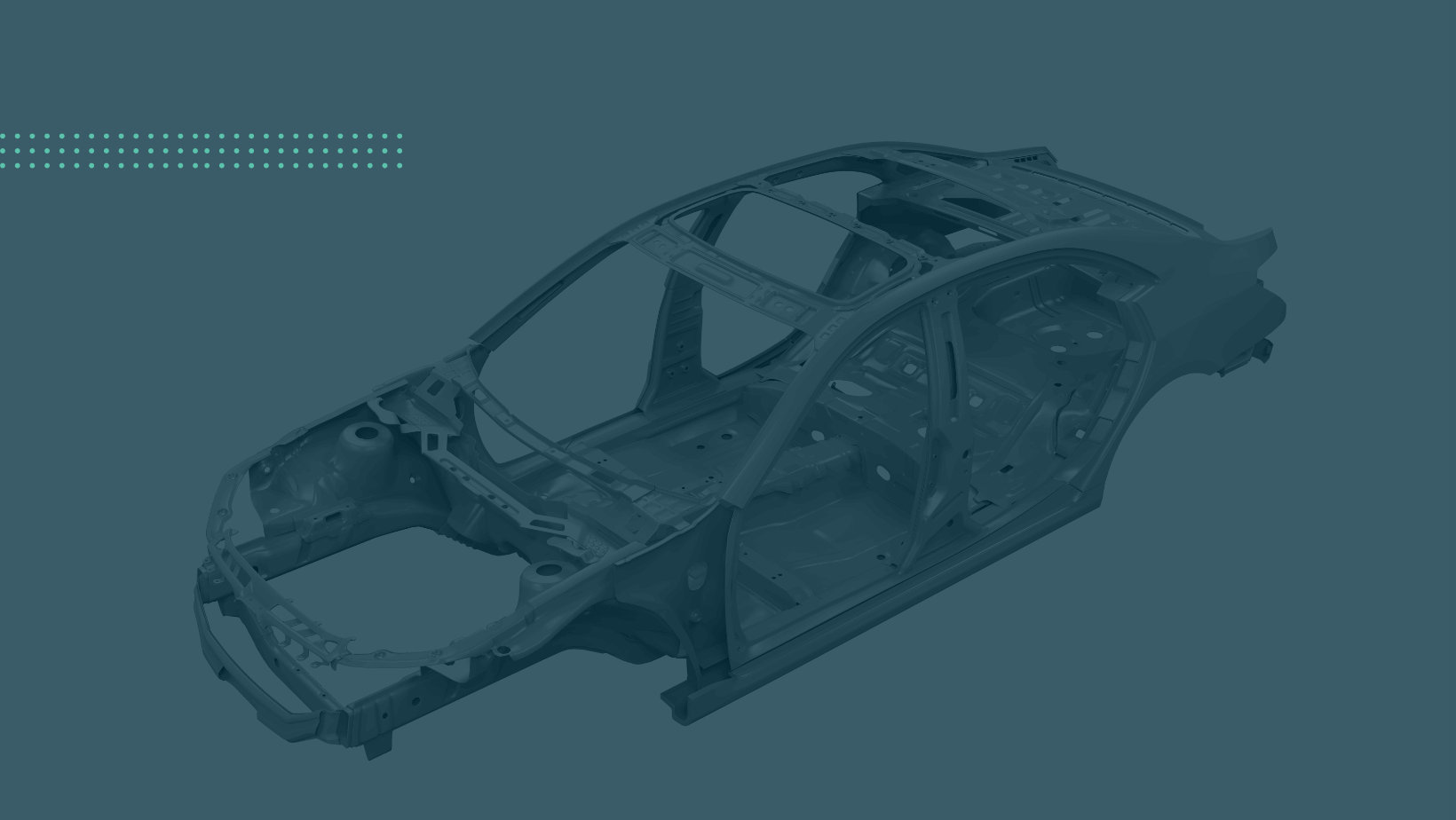
After Mercedes-Benz, Volvo has just announced that it wants to start building bodies in white using giant aluminum castings. The Swedish manufacturer is investing more than a billion euros for its future EVs and is seeking to meet several objectives with mega-casting which is inherited from Tesla, namely to reduce the weight of vehicles, to improve the use of interior space, and to be able to develop several vehicles capable of using the same modules based on the same body-in-white elements (mega-castings).

Volkswagen also revealed recently that their Project Trinity will likely use Tesla-like manufacturing processes, including potential mega-casting and ramped-up automation, aiming to speed up production.

Why Are Automakers Interested in Giga-Casting?

Elon Musk said this solution removes 300 robots from the assembly line on Munro Live (YouTube). Mega-castings allow to improve profitability by reducing assembly time, length of the assembly line. In terms of reparability, the casting component is not of a nature to be straightened or even replaced. If it bends or breaks, the vehicle will be a total loss. However, this is unlikely to slow Tesla down in its approach as the manufacturer is considering a new Giga-casting part for the front of the future Model 3. The limited experience with such large aluminum castings integrated into the body-in-white leaves many doubts about reparability, life cycle and aging. With cost-reduction being the end-game for Mega-casting technology, the sudden enthusiasm of premium manufacturers for these solutions tends to prove that the economic equation and the profitability of electric vehicles are far from being resolved

Precautions to be Taken Regarding the Conclusions

In terms of repair, the casting is not of a nature to be straightened or even replaced. If it breaks, the vehicle will be classified as a wreck. The lack and cost of parts, as well as the below-average ability for repair, are reasons enough for a minor fender-bender to turn a Tesla into a wreck in the eyes of insurers (full reimbursement of value in the US). Cars with these parts are therefore stiffer, simpler, but also more disposable, especially since the aging of such massive casting parts is not yet known.

The set-up time and the scrap-rate (45% at Tesla in 2021) are often highlighted with more importance than with stamping parts. If the process is faster once the series is launched, it also requires more adjustments at the very beginning. Confirmed by suppliers, the delays Tesla has experienced in Berlin and Austin are not only administrative or financial, but also technical. However, this is unlikely to slow Tesla down in its approach as the manufacturer is considering a new Giga-casting for the front of the future Model 3 and Model Y additional to a tray for the future batteries that are also made of a single piece of aluminum casting.

The lightweighting of mega-casting is not as effective as assembly solution. To ensure that molten aluminum can reach far-end of parts without turbulent flow, Tesla has to give up thin wall design on the areas which do not require high strength and stiffness (e.g. wheel well, rear floor). In general, mega casting does now allow for extremely low thickness: no less than 2 to 3mm thick versus up to 0.7mm for sheet metal. One of the major innovations of Mercedes’s Bionicast is to apply bionic engineering to reduce excess material to a minimum on those areas. Volvo also expects 15% weight-saving compared to steel solutions by design optimization on mega-casting.

Mega-casting also helps to increase the material utilization as well as the use of secondary (scrap) aluminum. According to Volvo, 100% aluminum will be utilized (versus 55% of stamped steel parts), and half of the aluminum can be secondary alloy, leading to at least 35% CO2 emissions reduction.

Innovation by Trial and Error

The limited experience with such large aluminum castings integrated into the body-in-white leaves many doubts about repair ability, life cycle and aging. The adoption of these mega-castings by manufacturers other than Tesla are perplexing at this point. To develop a definitive idea, volume increases, technological improvements, and the first customer feedback on high-mileage vehicles will be needed. However, with certainty the sudden enthusiasm of premium manufacturers for these solutions tends to prove that the economic equation and the profitability of electric vehicles are far from being resolved.

Download White Paper Here


Ducker’s automotive & transportation team is at the forefront of key trends impacting the industry. Ducker’s unique expertise in running custom market research and consulting services helps clients address specific growth questions and business challenges.

Contact the Ducker team for the latest insights and implications for global business.