Beyond the Blueprint: Six AI Solutions Revolutionizing Walls and Ceilings
01. 07. 26How six rapidly deployable AI solutions—from automated quoting and intelligent data search to AI-driven proposals, lead generation, financial automation and admin support—are transforming efficiency and profitability across the walls and ceilings industry
By: Fabien Cros
Tighter margins, rising material costs and an array of other factors are creating mounting pressure on the walls and ceilings industry to optimize operations to stay competitive.
Artificial intelligence can be a powerful ally in meeting this challenge, but adoption has been hindered by two major obstacles: first, uncertainty about where to begin to achieve the most immediate and impactful results; and second, the fact that most AI deployments have required costly and time-consuming custom development.
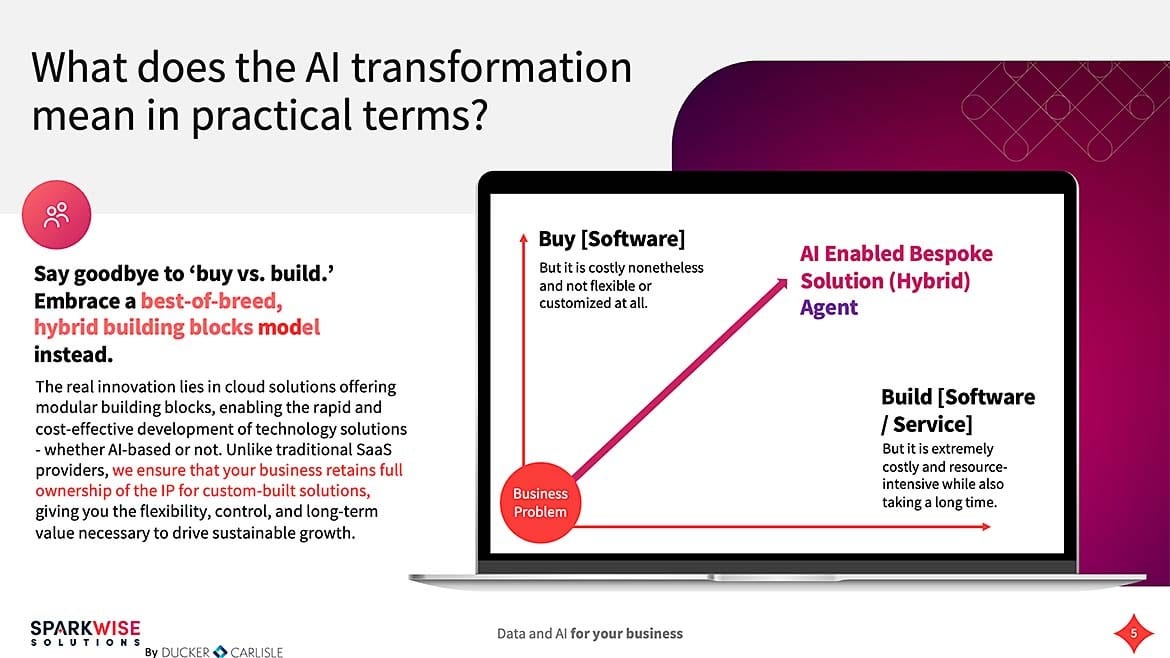
Newer solutions are solving both problems by providing pre-built applications specifically designed to deliver tangible benefits. From automating routine back-office tasks to improving lead generation, here are six rapidly deployable applications that enable contractors, interior specialists, architects and suppliers to work more efficiently and in ways that are already demonstrating significant bottom-line returns for early adopters.
1. The Quoting AI Agent: Precise Bids in Minutes, Not Days
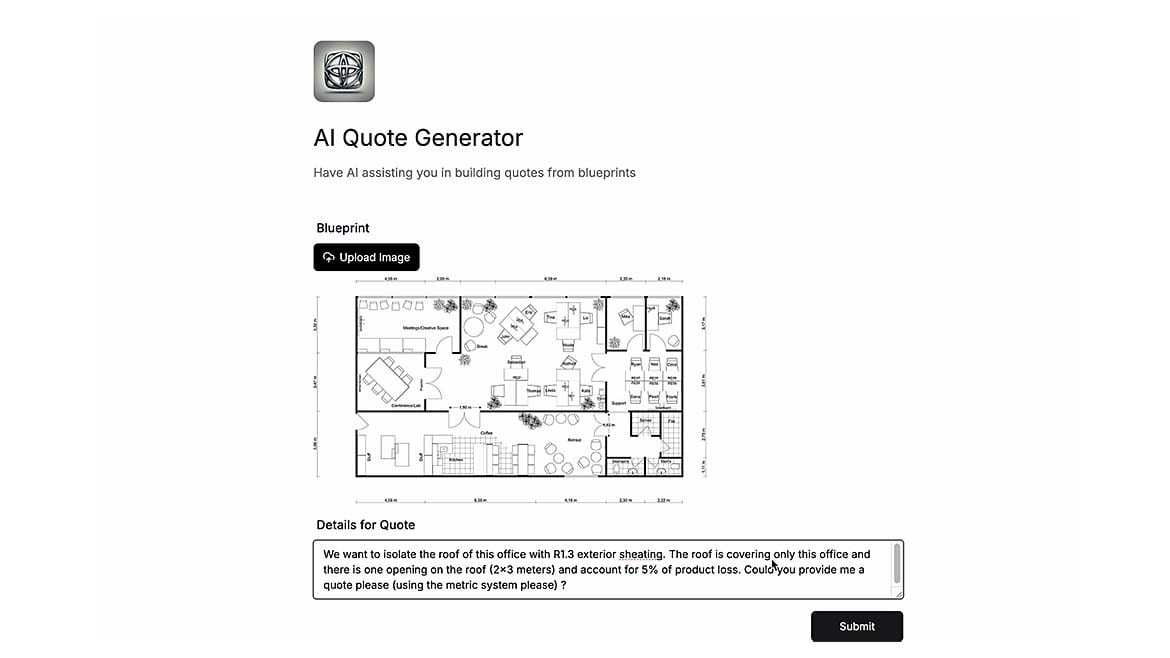
Creating an accurate and competitive bid has traditionally required hours of poring over architectural drawings, detailing square footage for drywall, calculating linear feet for trim, estimating materials for stucco, or specifying acoustic panel layouts.
AI-powered Quoting Agents can now automate the process of reading blueprints and specifications to quickly identify and quantify every element—from the number of gypsum boards and their fastening points to the precise application area for EIFS or the specific type and amount of insulation required. By ingesting vast amounts of project data and learning from your past successful bids, these solutions can rapidly analyze new plans, generating highly accurate cost estimations for materials, labor, and even factoring in waste.
This accelerates your bid process, enhances accuracy, and frees your skilled estimators to focus on strategic project analysis and client relationships, ultimately boosting your win rate.
2. Intelligent Data Management: Your Project Legacy, Instantly Accessible
Every wall and ceiling project generates an enormous volume of valuable data, including past proposals, material specifications, acoustic reports, submittals, change orders, punch lists and supplier agreements. This information is typically scattered among multiple IT systems, project managers’ laptops or even physical archives. Hours can be wasted trying to locate the specific fire-rated drywall specifications from a project five years ago when needed for current projects.
AI-driven data management centralizes and intelligently organizes all your historical project data. Advanced AI search capabilities then enable you to query the system, “Find all projects using Type X gypsum board and a specific EIFS system in the last two years” and retrieve the exact documents and details in seconds. This empowers faster, more informed decision-making, streamlines material procurement, and ensures you never waste time hunting for information you already possess.
3. The Bid & RFP AI Agent: Winning Proposals Powered by Data
Winning a bid often comes down to who can submit the most compelling, detailed and insightful proposal. Manually gathering all the necessary information – from accessing a multitude of public bid portals to researching a client’s specific needs, analyzing a project’s neighborhood, or understanding a building’s history – is a time-consuming and often incomplete process. The result is a generic proposal that may not stand out from the crowd.
This is where the Bid & RFP AI Agent provides a game-changing advantage. This AI can access and monitor all available bids, including the vast landscape of public RFPs. It also automatically collects and analyzes thousands of additional data points about a potential project such as the neighborhood’s demographics, the building’s historical use, or the surrounding market conditions. It then produces an intelligent, data-driven proposal in as little as five minutes, leveraging its analysis to inform the best strategy, recommend competitive pricing, propose a realistic timeline, and even suggest specific materials or solutions aligning with the client’s unique needs. This level of insight ensures your proposals are not just submissions but compelling, highly customized arguments for why you are the best firm for the job.
4. Harnessing AI for Next-Generation Lead Generation: Be Found Where It Matters
The traditional landscape of lead generation, heavily reliant on SEO and website optimization, is evolving rapidly. A powerful new channel for client acquisition is emerging, driven by the increasing use of conversational AI platforms like ChatGPT and similar AI assistants. Homeowners, general contractors and architects are increasingly turning to these AI tools to ask questions, such as “Who are the best acoustic ceiling installers in this region?” or “Which stucco contractors have experience with intricate architectural details?”
While the entire industry will eventually adapt, early movers who optimize their presence and articulate their expertise within these new AI ecosystems will gain a substantial competitive edge. AI can help you understand the nuances of natural language queries, identify client intent, and craft compelling narratives that position your firm as the authoritative expert. By proactively integrating AI into your marketing strategy today, you can capture new leads from a rapidly growing segment and outmaneuver competitors still relying on yesterday’s tactics.
5. Automating Accounts Payable and Receivable: Precision & Savings
Efficient invoicing, payment processing and robust cash flow management are critical for the financial health of your business, but Accounts Payable and Accounts Receivable often remain manual, error-prone and time-consuming tasks. From processing material invoices for insulation to generating payment requests for finished drywall installation, these transactional duties consume valuable administrative time.
AI-powered solutions for AP/AR are exceptionally adept at these precise, repetitive functions. They can automatically extract and verify data from supplier invoices, cross-reference against purchase orders, flag discrepancies for human review, schedule payments, and even dispatch automated reminders for outstanding client invoices. This reduces human error, helps accelerate payment cycles, improves cash flow, and yields significant administrative cost savings. It also enables your human finance team to focus more on strategic financial planning, analysis, and actively supporting your business development efforts.
6. AI for Administrative Automation: Liberating Your Team for Craftsmanship
The administrative overhead in wall and ceiling firms is considerable, often diverting skilled team members from their core competencies. While previous automation tools offered some relief, their rigid rule-based nature often fell short of the needs of a busy contracting business.
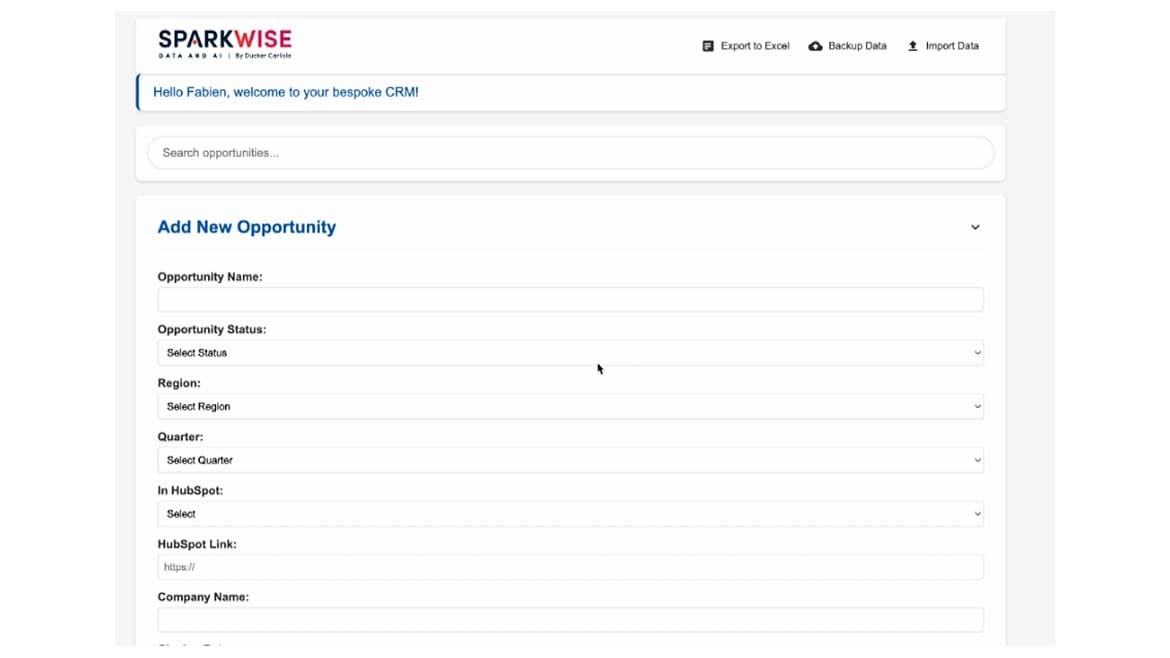
The advent of Large Language Models and advanced AI can dramatically lessen the load. Imagine AI bots autonomously generating CRM inputs after a job site visit, drafting routine safety updates for the crew, checking inventory levels for specific drywall types or EIFS components, or sending personalized reminders to clients about acoustic panel delivery or to suppliers about metal stud shipments. Assigning these “boring stuff” tasks to AI can save countless hours while also empowering your project managers, estimators and administrative staff to focus on complex problem-solving, quality control, client engagement, and the craftsmanship that defines your trade.
While the initial foray into AI might seem a grand undertaking, beginning with these six pre-built use cases not only gets you up and running quickly and affordably but also ensures that you will realize a significant return on your investment. Eliminating paperwork bottlenecks and improving lead generation can help you work smarter—and that’s always good for the bottom line.