Aluminium’s Rising Role in the Future of Mobility – Automotive World
11. 13. 25Aluminium offers a number of benefits when it comes to producing safe, lightweight vehicles.
By: Megan Lampinen
Steel has served as the backbone of vehicle manufacturing for more than a century, but the shift to new mobility is disrupting the material mix. Over the past few years, aluminium has emerged as the fastest growing automotive material. Its lightweight properties, durability, safety and sustainability advantages have made it a key tool in the industry’s adaption to new mobility demands.
What was once reserved for luxury and high-performance vehicles is now widely used across all vehicle segments, from compact cars and SUVs to sports cars and pick-ups. It is finding its way into key applications such as body panels, bonnets/hoods, doors, body in white structures and electric vehicle (EV) battery enclosures.
Not only is aluminium now used in a wider variety of vehicles and applications, but the amount used per vehicle has also increased. A 2022 study commissioned by European Aluminium and conducted by Ducker Carlisle found that the average amount of aluminium used in European cars has increased by 18% from 174kg in 2019 to 205kg in 2022. This trend is set to continue, with the average aluminium content projected to reach 237kg per vehicle by 2026 and 256kg by 2030.
Market drivers
There are several factors driving demand. To start with, aluminium offers a notable vehicle weight reduction compared to traditional steel. According to Alumobility, it has one-third the density of steel. When comparing two identical vehicles (one steel and one aluminium), both with equal stiffness and load-carrying capacity, the aluminium vehicle body will be up to 45% lighter.
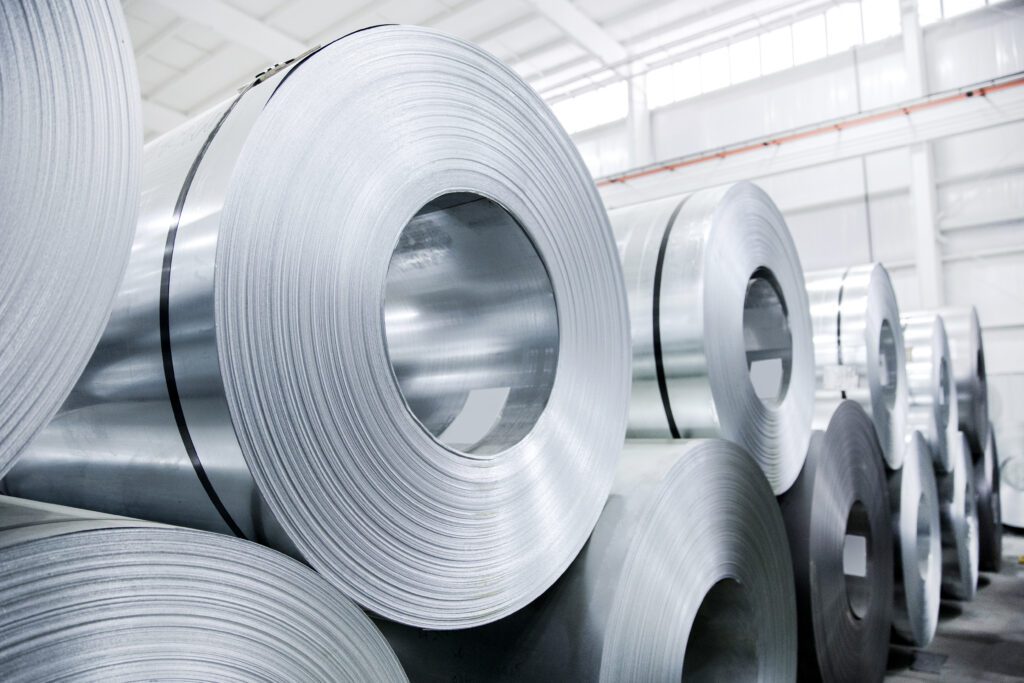
“Greater use of aluminium aligns with the growing emphasis on lightweighting, which has gained prominence as automakers look to balance cost and sustainability without compromising structural integrity,” says Michael Hahne, Vice President Commercial for Europe at aluminium supplier Novelis. “Replacing 400kg of steel with 240kg of aluminium can dramatically reduce weight and material usage.” This has a direct impact on fuel efficiency or EV range. “Its weight advantage is a game-changer for EVs, where battery range is a major consideration,” he tells Automotive World. The industry’s shift toward electrification is increasing demand for lighter materials in general to combat the additional weight of the battery.
It also contributes to secondary savings in areas like braking and suspension systems, as lighter vehicles require smaller braking and suspension components. In the previous example, where 400kg of steel is replaced with 240kg of aluminium, the vehicle will also see another 40-60kg weight saving from other areas.
Aluminium performs well on the safety front, as it absorbs more energy than steel per kilogram, meaning occupants are better protected from intrusion into the safety cell. As the vehicle carries less mass into a collision, aluminium bodies can be less damaging in incidents involving other vehicles, cycles, and pedestrians. “Aluminium continues to be an invaluable material for vehicle safety,” notes Hahne. “Crash tests confirm vehicles made lighter with aluminium bodies earned perfect five-star crash ratings.”

Aluminium also plays a key role in enabling a circular economy. Closed-loop recycling systems allow OEM production scrap, as well as scrap from end-of-life vehicles, to be repurposed in a circular manner, lowering carbon emissions within the manufacturing process compared to primary aluminium production. Novelis recently developed the world’s first automotive aluminium coil made entirely from 100% recycled end-of-life vehicle scrap. This material, designed to meet the industry’s tough standards for car body outer skin applications, marks a notable milestone in support of automotive circularity.
“Aluminium stands out for being infinitely recyclable, maintaining its material properties through countless life cycles,” adds Hahne. Recycling aluminium saves up to 90% of CO2 emissions compared to primary aluminium production, making it a cornerstone material for wider carbon reduction strategies.
Where next?
Despite the numerous advantages, aluminium generally carries a higher cost than steel. It also entails more energy-intensive production and specialised manufacturing requirements. But R&D advances from players like Novelis promise further improvements both within the material itself as well as manufacturing techniques. For instance, the company has been working on aluminium roll forming, a process that precisely shapes metal into complex automotive structures. This can reduce component costs and improve structural performance and safety, particularly in EVs where battery protection is critical. Novelis has also been working with Jaguar Land Rover on a new aluminium skin alloy, which features up to 85% recycled content and is 95% more energy efficient to produce.
While aluminium use is growing, steel isn’t standing still. Developments around advanced high strength steel have produced significant weight reductions, with the latest grades claiming to cut vehicle weight by 35-40% compared to traditional steel. The argument from aluminium proponents like Novelis is that its unique properties bring significant advantages that go beyond the drawbacks. “Shifting the conversation from upfront expenses to the long-term value and performance gains offered by aluminium is essential to unlocking its full potential in revolutionising the auto industry,” emphasises Hahne.